Cellular senescence: the 'zombie' cells that drive ageing, and what science really knows
In short: with age, some cells permanently stop dividing without dying. These senescent cells are useful in the short term (wound healing, protection against cancer), but when they accumulate, they sustain a chronic inflammation that contributes to tissue ageing. In mice, removing them extends healthy life. In humans, early trials show that it is possible, but no solid clinical benefit has yet been demonstrated.
A cell that refuses to die
A human cell has, roughly speaking, three possible fates. It can divide to renew a tissue, it can die in a programmed way (apoptosis) when it is too damaged, or it can take a third, long-neglected path: permanently stop dividing while remaining alive and active. This is called cellular senescence.
Senescent cells are not dead cells. They consume energy, resist apoptosis and, above all, continuously secrete a cocktail of molecules that act on their neighbours. This behaviour has earned them the nickname "zombie" cells in the press.
Senescence is now one of the twelve "hallmarks of aging" identified in the reference review by López-Otín and colleagues, published in the journal Cell in 2013 and updated in 2023 ((1)). Alongside it are genomic instability, telomere attrition, epigenetic alterations, loss of protein balance (proteostasis), disabled autophagy, deregulated nutrient sensing, mitochondrial dysfunction, stem cell exhaustion, altered intercellular communication, chronic inflammation and dysbiosis. These mechanisms are closely linked: senescence is often the consequence of several of them, and the cause of others.
The Hayflick limit: the discovery that started it all
Until the early 1960s, most biologists believed that cells grown in the laboratory could divide indefinitely. In 1961, Leonard Hayflick and Paul Moorhead showed the opposite: normal human fibroblasts (connective tissue cells) stop dividing after a limited number of doublings, of the order of 40 to 60 ((2)). This ceiling has since been called the Hayflick limit, and the arrest it causes replicative senescence.
The explanation came later, with telomeres, the repeated sequences that cap the ends of chromosomes. At each division, the machinery that copies DNA cannot fully copy these ends, and telomeres shorten. When they become too short, the cell interprets the situation as a DNA break and activates a permanent brake. Stem cells and germ cells partly escape this mechanism thanks to an enzyme, telomerase, which most adult cells express little or not at all.
Telomeres are not the only trigger, however. There is also stress-induced senescence: DNA damage (radiation, chemotherapy, oxidative stress), abnormal activation of a cancer-promoting gene (an oncogene) or mitochondrial dysfunction can push a cell into senescence, regardless of how many divisions it has already completed.
How a cell becomes senescent
At the heart of the mechanism are two major cell-cycle control pathways, built around the proteins p53/p21 and p16INK4a. They act as brakes: once durably activated, they block division. The p16INK4a protein is in fact one of the most widely used markers for detecting senescent cells in tissues, and its levels increase with age in many organs.
A senescent cell also changes its appearance and metabolism: it enlarges, flattens, accumulates an enzyme detectable in the laboratory (senescence-associated β-galactosidase) and activates survival programmes that make it resistant to apoptosis. It is precisely this last point that makes it a target: if these survival programmes can be switched off, the cell can be pushed to die.
SASP: when one cell contaminates its neighbours
The most important feature of senescent cells is their secretory phenotype, known by the acronym SASP (senescence-associated secretory phenotype). A senescent cell continuously releases inflammatory molecules (such as the interleukins IL-6 and IL-8), growth factors and enzymes that break down the matrix surrounding cells.
In small doses and for a short time, this signal is useful: it alerts the immune system, which comes to clear the damaged cell. But when senescent cells accumulate and persist, the SASP sustains a chronic low-grade inflammation, which researchers have called inflammaging (a contraction of inflammation and aging). The SASP can even push healthy neighbouring cells into senescence, like a local contagion.
This background inflammation is associated with many age-related diseases: osteoarthritis, pulmonary fibrosis, atherosclerosis, type 2 diabetes, muscle loss, osteoporosis. The link is particularly well established in animals; in humans, it is mainly shown by associations, which is not enough to prove a causal role.
An ally turned burden
It would be wrong to present senescence as a mere anomaly. It has useful functions, selected during evolution. First, it is a barrier against cancer: a cell whose DNA is damaged or in which an oncogene runs out of control is taken out of circulation before it can proliferate. Senescence is also involved in wound healing, where transient senescent cells help close wounds, and even in embryonic development, where it helps shape certain structures.
The problem is therefore less the existence of senescent cells than their accumulation. In a young person, the immune system clears them efficiently. With age, immunity itself ages (this is called immunosenescence, linked in particular to the involution of the thymus (in French)), senescent cells form faster and are cleared less effectively. This vicious circle is one of the central hypotheses of today's geroscience.
The proof in mice: remove to rejuvenate
The idea that removing senescent cells could slow ageing was tested at the Mayo Clinic in the United States, using a genetically modified mouse. In this model, called INK-ATTAC, cells expressing p16INK4a can be selectively killed by administering a compound. In 2016, the team of Darren Baker and Jan van Deursen published a striking result in Nature: in mice whose senescent cells were removed from one year of age, median lifespan increased by 17 to 35% depending on sex and strain, and the kidney, heart and adipose tissue were better preserved ((3)).
Two years later, in 2018, James Kirkland's team showed two complementary things in Nature Medicine ((4)). On the one hand, transplanting a small number of senescent cells into young or middle-aged mice was enough to impair their walking speed, endurance and grip strength, and to multiply their risk of dying within the following year by about five. On the other hand, in very old mice, equivalent to 75 to 90 years in humans, intermittent treatment with a combination of two molecules, dasatinib and quercetin, increased remaining lifespan by about 36% compared with untreated mice.
This work launched an entire research field: that of senolytics, molecules able to selectively kill senescent cells, and senomorphics, which instead aim to dampen their SASP without killing them.
Senolytics: where do they come from?
The first combination studied, dasatinib and quercetin (often abbreviated D+Q), was identified in 2015 by Mayo Clinic teams searching for molecules able to switch off the survival programmes of senescent cells. The two components are very different. Dasatinib is an anticancer drug, used in certain leukaemias, available on prescription only and with real side effects, notably low blood counts, bleeding and fluid build-up around the lungs. Quercetin is a flavonoid found in many plants (onions, capers, apples) and sold as a dietary supplement.
Other candidates followed. Fisetin, another flavonoid present in small amounts in strawberries and apples, has shown senolytic activity in mice and is being tested in clinical trials; we have devoted a detailed article to it: Fisetin: the natural senolytic. More targeted synthetic molecules are also being developed by the pharmaceutical industry, often for specific diseases (of the eye, lung or joints) rather than for "ageing" in general, which is not recognised as a medical indication.
What we know in humans
The move to humans is slower and more nuanced than some enthusiastic articles suggest. Here are the main milestones, in order.
2019, idiopathic pulmonary fibrosis. A first pilot trial in 14 patients tested D+Q (dasatinib 100 mg and quercetin 1,250 mg per day, three days a week for three weeks) ((5)). Physical performance improved (six-minute walk distance, walking speed, chair-stand test), but lung function did not change. Above all, the trial was open-label, without a placebo group, on a very small sample: it shows that the approach is feasible, not that it works.
2019, diabetic kidney disease. In 9 patients, a single three-day course of D+Q reduced the number of senescent cells in adipose tissue and skin, an effect still visible eleven days later ((6)). This was the first demonstration that senolytics can actually reduce the senescent cell burden in humans.
2020, knee osteoarthritis: an instructive failure. The American company Unity Biotechnology tested a senolytic molecule injected directly into the knee, UBX0101, in a placebo-controlled phase 2 trial. Result: no significant difference in pain compared with placebo at twelve weeks, and the programme was abandoned ((7)). What is observed in mice does not automatically carry over.
2024, osteoporosis. A randomised Mayo Clinic trial, published in Nature Medicine, gave intermittent D+Q to 60 postmenopausal women for twenty weeks ((8)). The primary endpoint, a marker of bone resorption (CTx), did not differ from the control group. A marker of bone formation (P1NP) rose transiently at two and four weeks. However, in the third of participants with the highest senescent cell burden at baseline, the treatment improved bone markers and bone density at the wrist. The message is important: senolytics may only help certain people, who would need to be identified.
In summary, in humans we now know that senescent cells can be reduced and that the approach seems reasonably well tolerated over short periods. We do not yet know whether this improves health or lifespan in a clinically meaningful way, nor for whom.
What to know before buying a "senolytic"
The term "senolytic" now appears on the packaging of many dietary supplements, often based on fisetin or quercetin. Several points are worth keeping in mind.
First, trial doses have nothing to do with diet: 1,250 mg of quercetin per day in the pulmonary fibrosis trial, for example, far more than a diet rich in fruit and vegetables provides. Moreover, quercetin and fisetin are poorly absorbed by the body: their bioavailability is low, and the amount that actually reaches the tissues remains poorly known. Next, in the D+Q combination, the two molecules were chosen because they act on different types of senescent cells: quercetin alone is not equivalent to the treatment tested, and dasatinib is a medicine, not a supplement. Finally, in Europe, no health claim related to ageing or senescence is authorised for quercetin or fisetin: a product promising to "rejuvenate your cells" goes beyond what regulation and evidence allow.
The theoretical risks of overly aggressive removal of senescent cells should also be remembered: they take part in wound healing and defence against cancer, and the long-term effects of repeated treatment are unknown. People on medication (anticoagulants, chemotherapy, immunosuppressants) or with a chronic illness should ask their doctor or pharmacist before taking any high-dose supplement, as quercetin can interact with certain drugs.
In the meantime? What slows senescence without a pill
The best-documented levers for limiting the damage that fuels senescence are also the least spectacular. Regular physical activity is associated, in several human studies, with lower expression of senescence markers in some tissues; in animals, it reduces the accumulation of senescent cells. Smoking, obesity and poorly controlled diabetes, on the contrary, are well-known accelerators of DNA damage and chronic inflammation. Adequate sleep and a plant-rich diet follow the same logic.
These measures lack the appeal of an "anti-ageing" capsule, but they rest on a much higher level of evidence, and they act on several hallmarks of ageing at once.
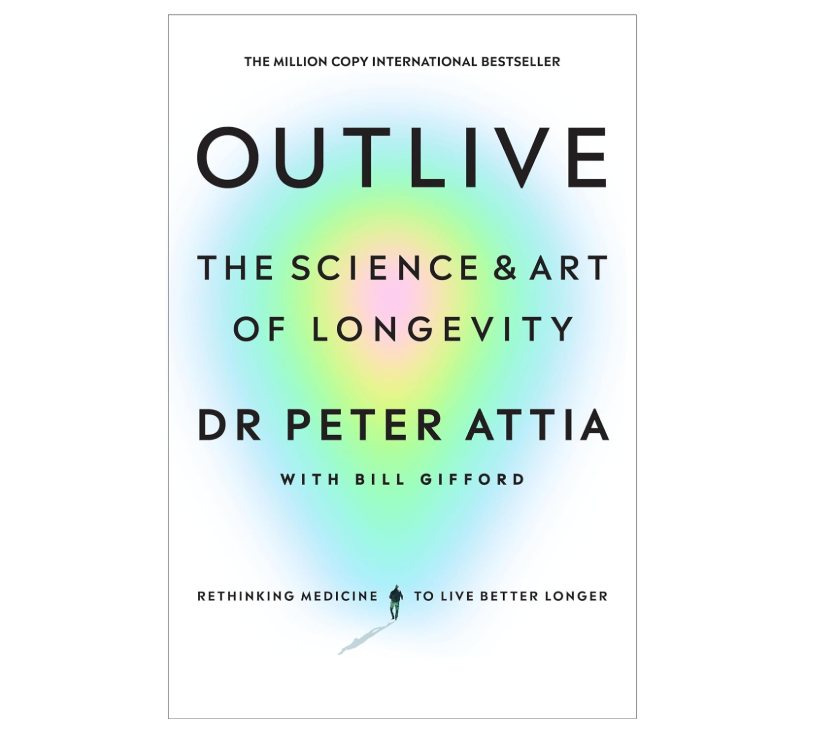
In 2012, Attia co-founded the Nutrition Science Initiative (NuSI) with Gary Taubes, with the aim of promoting nutrition research and tackling the growing health problems linked to obesity, diabetes and metabolic diseases.
Where is research heading?
Several directions are emerging. The first is to measure better: identifying, for example through a blood test, people with a high senescent cell burden who might benefit from treatment, as the osteoporosis trial suggests. The second is to target better, with molecules that attack only certain types of senescent cells, or even immunological approaches (vaccines or modified immune cells directed against proteins specific to senescent cells), still at the preclinical stage. The third, finally, is to reprogramme rather than remove: partially rejuvenating cells by erasing some of their epigenetic marks, an approach of which a first clinical example is described in our article on ER-100.
Key terms
- Cellular senescence: permanent arrest of division in a cell that remains alive and active.
- Replicative senescence: senescence triggered by running out of possible divisions, linked to telomere shortening.
- Hayflick limit: maximum number of divisions of a normal human cell in culture, of the order of 40 to 60.
- Telomeres: protective ends of chromosomes, which shorten at each division.
- SASP: the set of inflammatory molecules and enzymes secreted by senescent cells.
- Inflammaging: chronic low-grade inflammation associated with ageing.
- Senolytic: a molecule that selectively kills senescent cells.
- Senomorphic: a molecule that dampens the SASP without killing the cell.
Conclusion
Cellular senescence is one of the best-understood mechanisms of ageing and one of the most promising therapeutic targets. In mice, the evidence is solid: removing senescent cells extends healthy life. In humans, research has taken a first step by showing that these cells can be reduced, but the controlled trials published to date show modest effects, limited to certain subgroups, and a failure in osteoarthritis. The coming years will tell whether senolytics become medicines for specific diseases. In the meantime, caution is called for in the face of commercial promises.
Disclaimer
This article is for information only and does not replace the advice of a doctor or pharmacist. No senolytic treatment is currently authorised to slow ageing. Do not take any medicine or high-dose supplement without medical advice, especially if you are on medication or have a chronic illness.
Sources
((1)) López-Otín C., Blasco M. A., Partridge L., Serrano M., Kroemer G., "Hallmarks of aging: An expanding universe", Cell, 2023, https://discovery.ucl.ac.uk/id/eprint/10207541
((2)) "Hayflick limit" (Hayflick L., Moorhead P. S., Experimental Cell Research, 1961), overview, https://en.wikipedia.org/wiki/Hayflick_limit
((3)) Baker D. J. et al., "Naturally occurring p16Ink4a-positive cells shorten healthy lifespan", Nature, 2016, https://pmc.ncbi.nlm.nih.gov/articles/PMC4845101
((4)) National Institutes of Health, "Eliminating senescent cells extends healthy life in mice" (Xu M. et al., Nature Medicine, 2018), https://www.nih.gov/news-events/nih-research-matters/eliminating-senescent-cells-extends-healthy-life-mice
((5)) Justice J. N. et al., "Senolytics in idiopathic pulmonary fibrosis: Results from a first-in-human, open-label, pilot study", EBioMedicine, 2019, https://pmc.ncbi.nlm.nih.gov/articles/PMC6413337
((6)) Mayo Clinic News Network, "Mayo researchers demonstrate senescent cell burden is reduced in humans by senolytic drugs" (Hickson L. J. et al., EBioMedicine, 2019), https://newsnetwork.mayoclinic.org/discussion/mayo-researchers-demonstrate-senescent-cell-burden-is-reduced-in-humans-by-senolytic-drugs
((7)) The Pharma Letter, "UBX0101 fails to meet 12-week primary endpoint in knee OA", 18 August 2020, https://thepharmaletter.com/biotechnology/ubx0101-fails-to-meet-12-week-primary-endpoint-in-knee-os
((8)) Farr J. N. et al., randomised phase 2 trial of dasatinib + quercetin in 60 postmenopausal women, Nature Medicine, 2024, https://pubmed.ncbi.nlm.nih.gov/38956196/
Additional sources
((a)) Mayo Clinic, "Reimagining osteoporosis: How senolytics are opening a new frontier in bone health", https://www.mayoclinic.org/medical-professionals/endocrinology/news/reimagining-osteoporosis-how-senolytics-are-opening-a-new-frontier-in-bone-health/mac-20604371